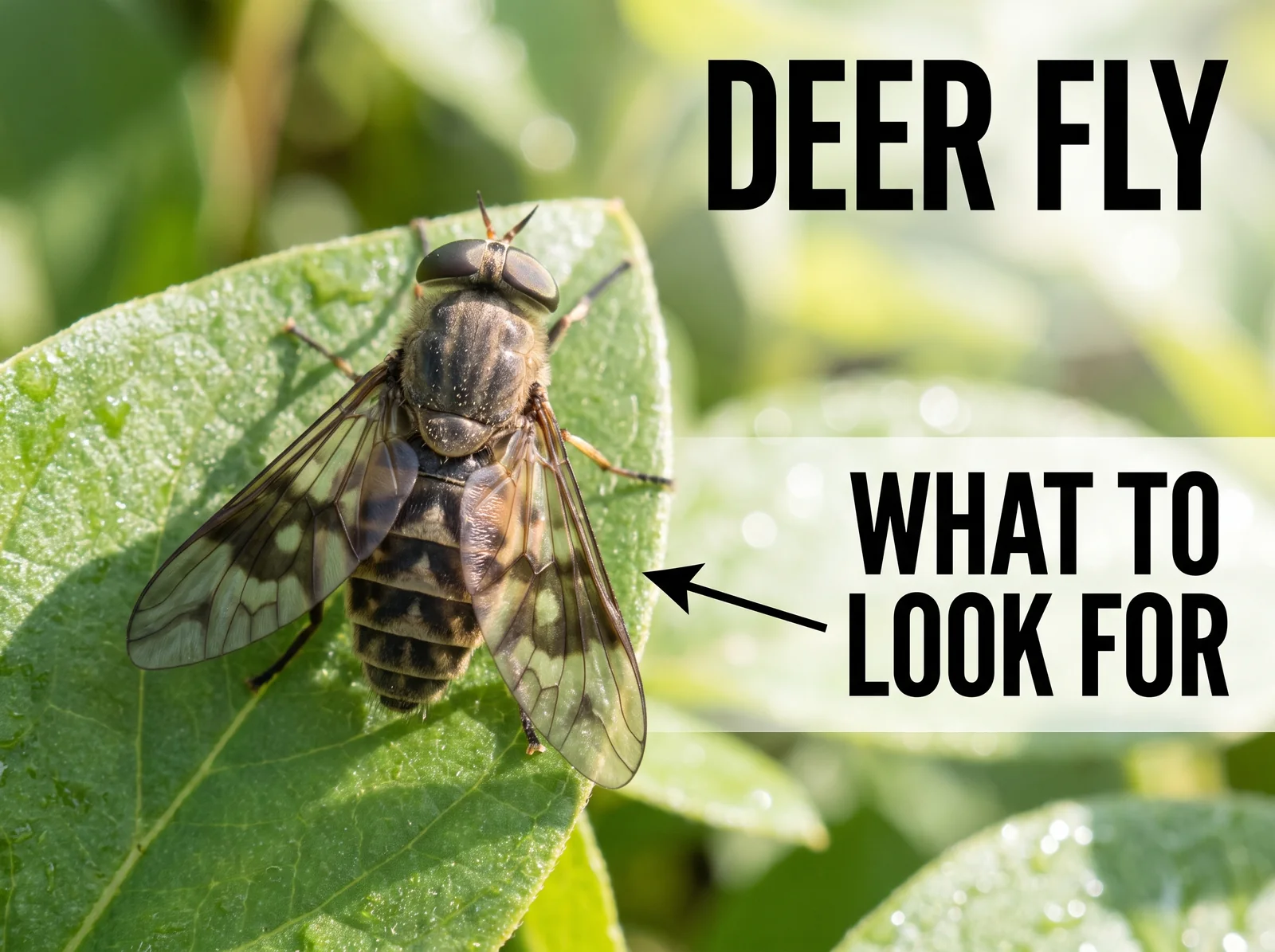
Why do deer fly bites hurt and swell so quickly?
Deer flies do not pierce skin cleanly like mosquitoes. Female deer flies use sharp, bladelike mouthparts to tear open the surface of your skin to lap up blood. This physical tearing causes immediate, sharp pain.
As they feed, they inject saliva containing anticoagulants to keep blood flowing. Your immune system responds to these foreign proteins by releasing histamines, which cause fast localized swelling, redness, and severe itching around the wound.
- Bladelike mouthparts physically lacerate skin tissue
- Salivary proteins trigger an aggressive histamine reaction
- Open skin breaks create immediate inflammation and soreness
What are the best immediate steps for fast bite relief?
Start by washing the bite area thoroughly with mild soap and warm water. Because deer flies create open tears in your skin, cleaning the site clears away lingering insect saliva and surface bacteria right away.
Next, wrap an ice pack or a bag of frozen vegetables in a clean cloth and hold it against the bite for ten to fifteen minutes at a time. Cold constricts local blood vessels, which rapidly reduces swelling, numbs the sharp pain, and takes the edge off intense itching.
Which over-the-counter options soothe deer fly bites?
Applying a thin layer of one percent hydrocortisone cream or calamine lotion directly to the bite helps suppress inflammation and eases the urge to scratch. You can reapply these topical treatments several times a day according to package directions.
If you experience widespread swelling or persistent itching, an over-the-counter oral antihistamine can help balance your body's immune reaction from the inside. Always follow product packaging guidelines or consult a pharmacist before taking new medications.
How can you stop scratching to prevent an infection?
Scratching a deer fly bite provides brief mental relief, but it damages delicate skin tissue and pushes bacteria from your fingernails deep into the wound. This prolongs healing time and significantly increases your risk of a secondary skin infection.
To protect the skin, cover the bite with a clean adhesive bandage after applying your soothing cream. Trimming your fingernails short also minimizes accidental skin breaks if you scratch while sleeping.
How do you tell a deer fly bite from other insect bites?
Deer fly bites typically leave a visible, slightly ragged puncture or small red slit rather than the tiny central dot left by a mosquito. You will usually feel a sharp, pinching pain the moment the fly strikes, whereas mosquito bites often go unnoticed until itching begins.
Deer fly bite swellings also tend to be larger, firmer, and warmer to the touch than common gnat or flea bites. They often appear on exposed upper body areas such as the neck, head, shoulders, and arms where deer flies prefer to target moving hosts.
When should you see a doctor for a deer fly bite?
Most deer fly bites heal on their own within a few days to a week. However, you should consult a healthcare professional if swelling expands significantly beyond the bite site, if red streaks spread outward, or if the wound begins oozing yellow pus.
Seek emergency medical attention immediately if you develop signs of a severe allergic reaction, such as difficulty breathing, swelling of the throat or face, dizziness, or widespread hives.
How can you prevent deer flies from biting you outdoors?
Deer flies are strongly drawn to motion, dark colors, and carbon dioxide. When spending time in damp woods or near marshes during summer, wear light-colored, tightly woven clothing, long sleeves, and a wide-brimmed hat to protect your head and neck.
You can also attach specialized sticky patches to the back of a baseball cap. As deer flies circle your head to land, they get trapped on the adhesive before they can bite your skin.
- Wear light-colored clothing and long sleeves near wetlands
- Use sticky patches on headwear to catch circling flies
- Avoid peak midday activity near wooded water edges
Questions you may still have
How long does it take for a deer fly bite to heal?
Most deer fly bites resolve within three to seven days with proper cleaning, cold compresses, and anti-itch treatments. If you scratch the bite and break the skin, healing can take up to two weeks, and you increase the risk of a secondary bacterial infection that requires medical evaluation.
Can natural home remedies help ease deer fly bite pain?
Yes, applying a paste of baking soda and water can help neutralize skin irritation and ease itching. A cool compress soaked in diluted apple cider vinegar or witch hazel can also provide mild astringent relief. However, ice and gentle soap remain the most effective starting steps for fast relief.
Do deer flies carry diseases that infect humans?
In North America, deer flies rarely transmit diseases to humans, though they can occasionally transmit tularemia, a rare bacterial condition. Most bites only cause localized pain, swelling, and itchiness. If you develop a high fever, swollen lymph nodes, or spreading ulcers near the bite, consult a clinician promptly.