#1
Habitat and Breeding Site Reduction
Best for: Yards near marshes, ponds, or wooded wetlands where deer flies breed
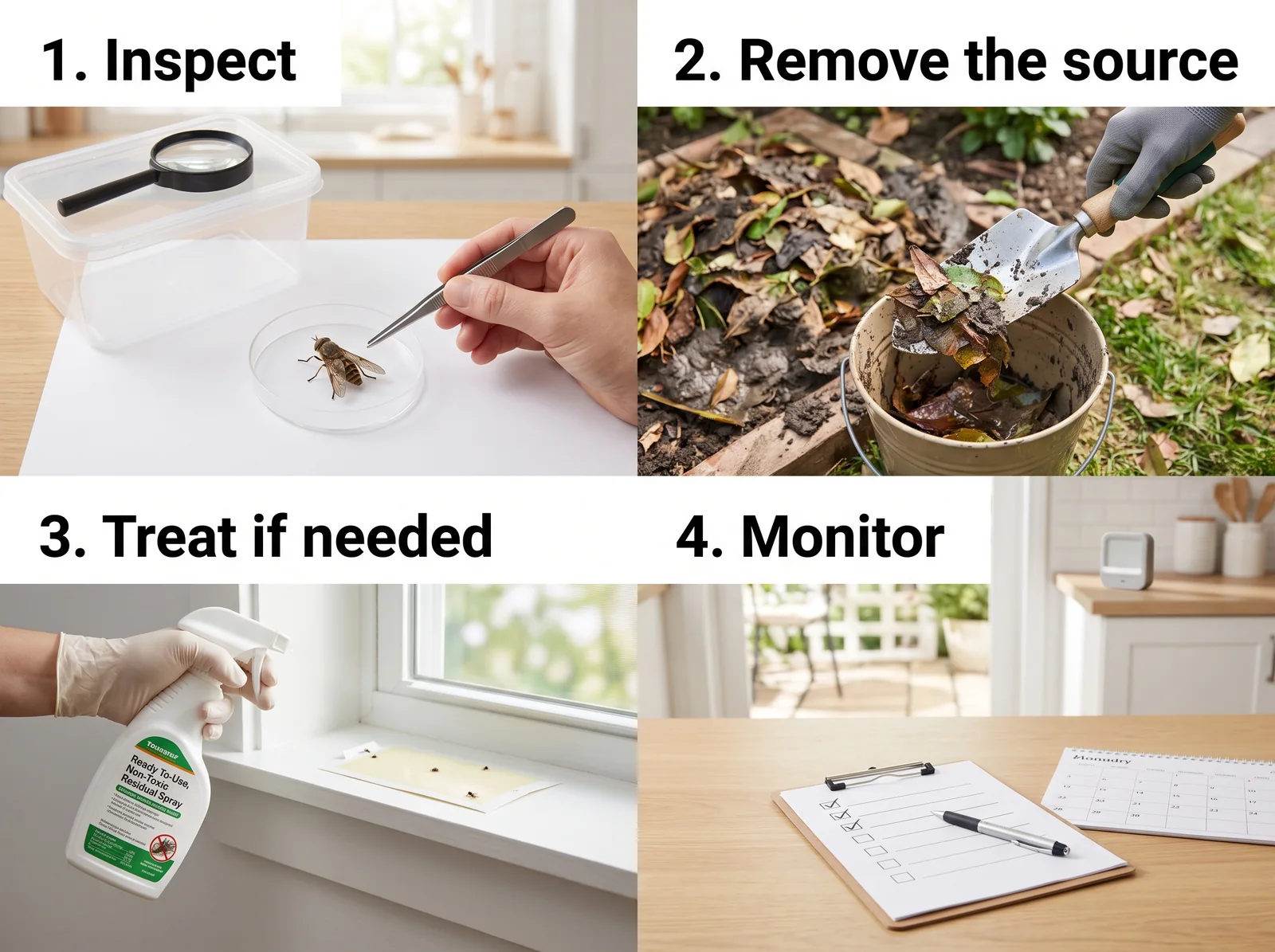
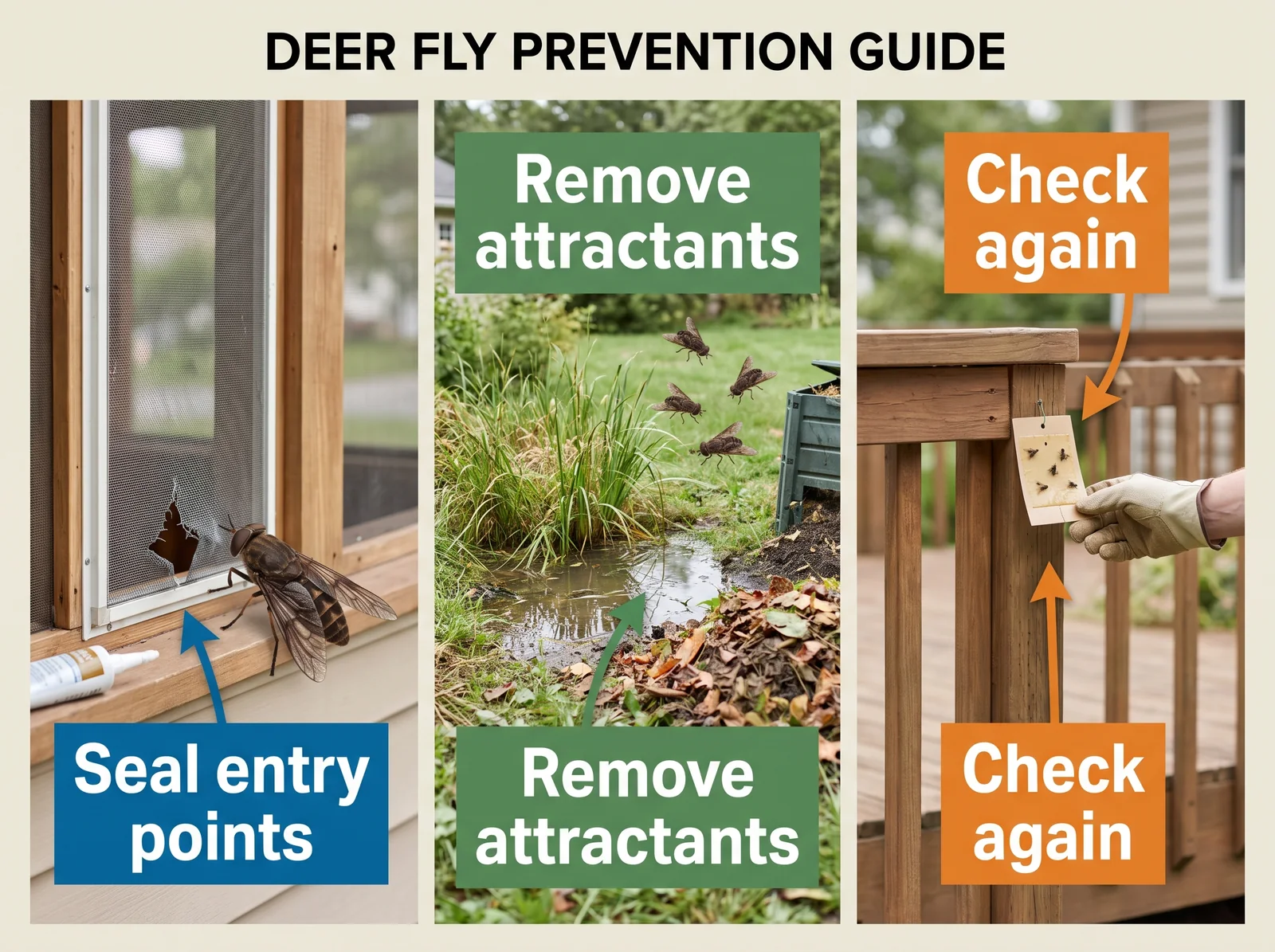
Deer flies lay eggs in moist soil, mud, and decaying vegetation near water. Larvae develop in that damp organic matter before adults emerge and start biting nearby. Reducing standing water and rotting plant debris near your home cuts down the local breeding ground.
This means clearing leaf litter, draining low spots that stay wet, and keeping vegetation trimmed back from pond or stream edges close to your house. It won't stop flies from flying in from wetlands further away, but it lowers the number that develop right on your property.
Useful strengths
- Targets the source instead of just the adults
- No chemicals needed
- Improves drainage and yard health generally
Limits to consider
- Adult deer flies can travel long distances from wetlands you don't control
- Labor-intensive for larger wet areas
#2
Mowing and Vegetation Management
Best for: Open yards, trail edges, and pastures where flies rest in tall grass and brush
Adult deer flies rest in tall grass, shrubs, and shaded brush during the day and become active when something moves past. Keeping grass mowed short and clearing brushy edges removes their resting spots and makes your yard less inviting.
Regular mowing near paths, patios, and play areas gives you a buffer zone with fewer flies waiting to bite. Combine this with clearing brush piles and overgrown fence lines for the best result.
Useful strengths
- Cheap and easy to maintain
- Reduces tick habitat too
- No pesticides involved
Limits to consider
- Doesn't stop flies from flying in from adjacent fields or woods
- Needs to be repeated through the season
#3
Protective Clothing and Physical Barriers
Best for: Anyone working or walking outdoors during peak deer fly season
Deer flies are attracted to movement and dark colors, and they bite through thin fabric. Wearing light-colored, tightly woven long sleeves and pants gives them less skin to reach and makes you a less obvious target.
A wide-brim hat helps too, since deer flies often go for the head and neck. This approach costs nothing extra if you already own the right clothing, and it works immediately with no setup time.
Useful strengths
- Immediate protection with no product needed
- Works alongside every other method on this list
- No cost if you already have suitable clothing
Limits to consider
- Doesn't reduce the fly population, just your exposure
- Hot weather can make heavier clothing uncomfortable
#4
Deer Fly Traps
Best for: Yards, campsites, and pastures with heavy deer fly pressure
Deer flies are drawn to dark, moving shapes, which is why many traps use a dark ball or panel that spins or hangs to mimic a large animal. Flies land on a sticky surface or fall into a collection container instead of finding a person or animal to bite.
These traps work well outdoors in open areas and can noticeably cut down local fly activity over a few weeks. Placement near where flies are worst, not right next to seating areas, gives the best results.
Useful strengths
- No pesticides involved
- Provides visible feedback on how many flies you're catching
- Reusable season after season
Limits to consider
- Takes some trial and error with placement
- Won't clear out large populations from nearby wetlands
#5
Monitoring Activity and Peak Times
Best for: Planning outdoor work or events around when deer flies are least active
Deer flies are most active on warm, sunny days, especially in mid-morning and afternoon, and they slow down at dusk and in overcast or windy conditions. Paying attention to these patterns lets you schedule outdoor work or gatherings when fly activity is lower.
Tracking which parts of your property have the worst activity also helps you decide where to focus mowing, trapping, or clothing precautions instead of treating the whole yard the same way.
Useful strengths
- Costs nothing
- Helps you use other methods more efficiently
- Reduces unnecessary exposure
Limits to consider
- Doesn't reduce fly numbers on its own
- Weather and activity patterns can vary by location
#6
EPA-Registered Repellents and Area Treatments
Best for: Situations where bites are frequent despite habitat and clothing efforts
When source removal and physical barriers aren't cutting down bites enough, an EPA-registered repellent labeled for biting flies can add another layer of protection on skin or clothing. Always use only a product labeled for deer flies or biting flies and the site where you plan to apply it, and follow the complete label instructions.
For yard or perimeter treatments, some EPA-registered products are labeled for outdoor fly control. These should be applied strictly according to label directions, since overuse or off-label use won't improve results and can create unnecessary risk to people, pets, and pollinators.
Useful strengths
- Can meaningfully reduce bites when used correctly
- Widely available
- Works alongside habitat and clothing methods
Limits to consider
- Must match the label to the pest and site
- Requires reapplication and careful handling
- Not a substitute for reducing breeding habitat
#7
Professional Pest Control Service
Best for: Heavy infestations near wetlands, large properties, or repeated failed DIY attempts
If deer flies are a persistent problem across a large property, especially one bordering wetlands or wooded wet areas, a licensed pest control professional can assess the site and apply treatments that aren't practical or safe for a homeowner to handle alone.
Professionals can also advise on drainage changes, vegetation management, and treatment timing based on local deer fly biology. This tends to cost more than DIY options, but it makes sense when the source area is large or hard to access safely.
Useful strengths
- Access to professional-grade equipment and training
- Site-specific assessment
- Reduces guesswork for large or difficult properties
Limits to consider
- Higher cost than DIY approaches
- May need repeat visits during peak season
- Doesn't guarantee zero bites from flies moving in from surrounding land
Why deer flies keep coming back
Deer flies breed in moist soil near ponds, marshes, and slow-moving water, and adults can fly in from these areas even if your own yard is dry and well-kept. That's why habitat control near your home helps, but it won't eliminate flies coming from a wetland down the road.
Adult females need a blood meal to reproduce, which is why they're persistent biters during their active season, typically late spring through summer. Understanding this cycle helps set realistic expectations for how much control you can expect from yard-level changes alone.
Combining methods works better than picking just one
No single method on this list eliminates deer flies completely. Mowing and habitat cleanup reduce local breeding, traps cut down active adults, protective clothing lowers your personal bite risk, and repellents add a layer of defense when other steps aren't enough.
Layering a few of these approaches, starting with the lower-risk options, usually gives better results than relying on one method and expecting it to solve everything.
Questions you may still have
What attracts deer flies to people and animals?
Deer flies are drawn to movement, dark colors, body heat, and carbon dioxide from breathing. That's why they often target people who are walking, running, or working outdoors, and why dark clothing tends to attract more bites than light-colored clothing.
How long does deer fly season usually last?
Deer fly activity generally peaks in late spring through mid-summer, though exact timing varies by region and weather. Warm, sunny days bring out the most activity, while cooler or overcast conditions tend to reduce it.
Can I get rid of deer flies permanently in my yard?
Not usually. Deer flies breed in wetland habitat that often extends beyond your property, so adults can keep flying in even after local control efforts. Consistent habitat management, trapping, and protective measures reduce bites and local numbers, but permanent elimination isn't realistic for most properties.
Are deer fly bites dangerous?
Deer fly bites are painful and can cause swelling, itching, or in some cases an allergic reaction. Most bites resolve without treatment, but if you notice signs of infection or a severe reaction, contact a healthcare provider.