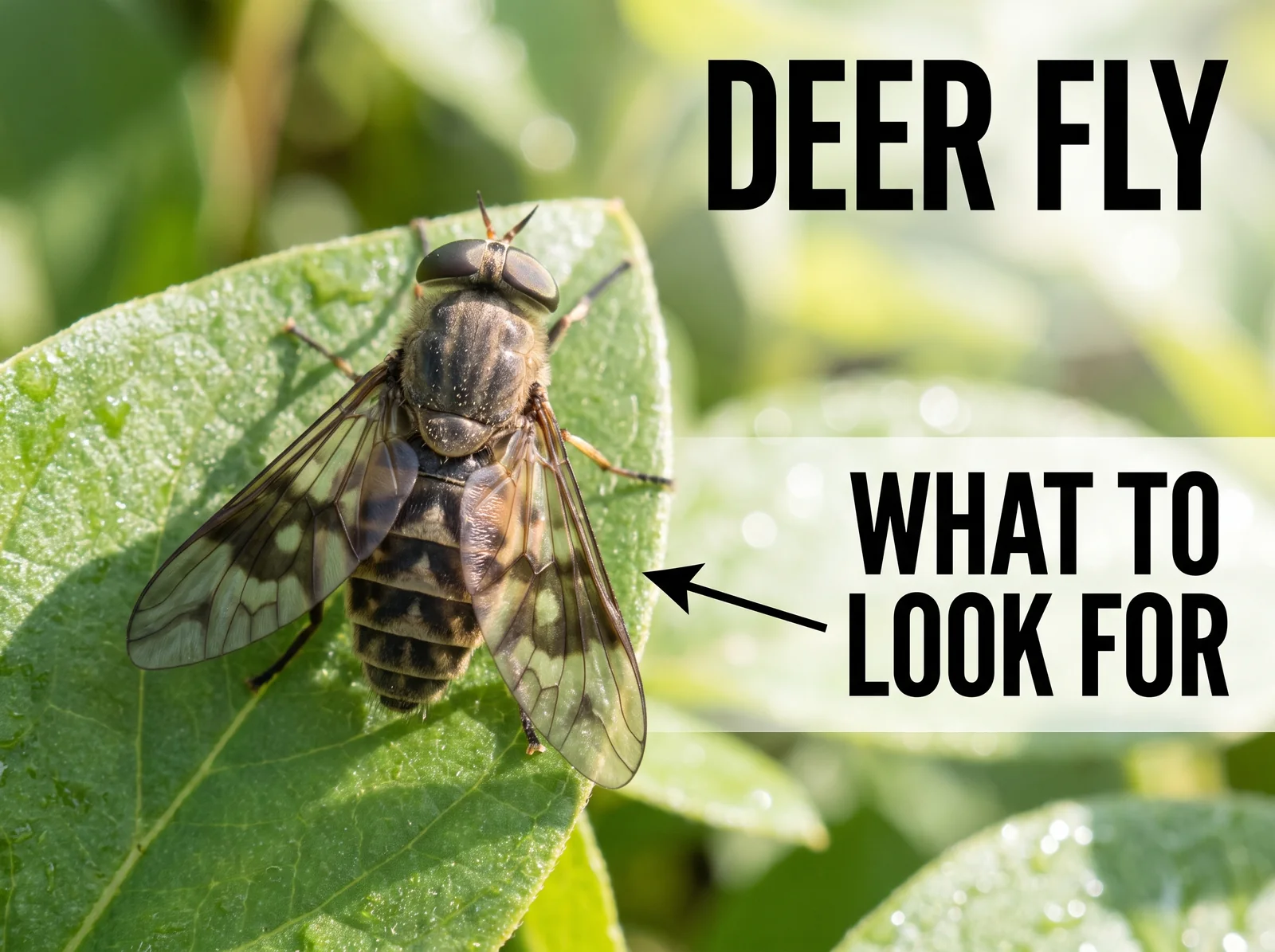
Why do deer fly bites hurt so much?
Unlike mosquitoes that pierce your skin with a needle-like proboscis, female deer flies use scissor-like mouthparts to create small, open cuts. They feed on the pool of blood that forms on the surface, which causes an immediate, sharp stinging sensation followed by localized inflammation.
Your body reacts to both the physical skin tear and the anticoagulant saliva the fly leaves behind. This dual trauma causes a tender, red welt that can itch fiercely and remain swollen for several days.
What is the best immediate treatment for a bite?
As soon as you notice a bite, sanitize the wound to remove dirt and salivary proteins. Cool temperatures help constrict local blood vessels and reduce the initial inflammatory burst.
Follow these straightforward steps right after coming inside from the outdoors:
- Wash the skin gently with warm water and antibacterial or plain soap.
- Apply an ice pack wrapped in a cloth for 10 to 15 minutes at a time.
- Dab hydrocortisone cream or calamine lotion over the center of the welt.
- Take an oral antihistamine if the itching keeps you from resting comfortably.
How can you stop the intense itching without scratching?
Scratching an open deer fly bite breaks the healing skin and pushes environmental bacteria deep into the wound. To break the itch-scratch cycle, you need physical barriers and soothing topical applications that numb surface nerves safely.
Try covering the bite with a breathable adhesive bandage once you apply anti-itch lotion. The physical covering stops absentminded scratching during sleep and shields the raw wound from dust and pet dander around your home.
What home remedies help calm swelling naturally?
Simple household items can provide fast relief when commercial ointments are not within reach. A thick paste made from baking soda and a few drops of water can neutralize skin irritation and ease surface burning within minutes.
Chilled witch hazel applied with a clean cotton ball acts as a natural astringent to tone down redness. Similarly, colloidal oatmeal compresses provide gentle barrier support to irritated skin without drying out the surrounding tissue.
When should you see a doctor for a deer fly bite?
Most bites clear up on their own within a week, but their open nature leaves them vulnerable to secondary bacterial issues like cellulitis. Watch the bite site closely over the first forty-eight hours for signs that require clinical evaluation.
Seek medical care if you notice expanding red streaks, increasing heat, yellow pus, or if you develop a fever. If you ever experience hives, facial swelling, or difficulty breathing, seek emergency medical assistance immediately for a severe allergic reaction.
How do you protect your yard from aggressive deer flies?
Deer flies breed in damp, muddy soil near ponds, marshes, and standing water. Because their larvae develop in saturated earth, eliminating breeding zones entirely is difficult, but you can manage your immediate landscape to make it less inviting to resting adults.
Keep tall grasses trimmed around walking paths and clear dense brush along property borders. Removing excessive shade and improving air movement around your lawn discourages these visual hunters from lingering near your outdoor living spaces.
How can you avoid getting bitten while outdoors?
Deer flies hunt by sight and are drawn to dark colors, body heat, and physical movement. When working in your garden or walking through wooded trails, wear light-colored long sleeves, full-length pants, and a wide-brimmed hat to limit exposed skin.
Apply an EPA-registered insect repellent labeled for biting flies to your clothing and exposed skin. You can also attach sticky deer fly patches to the back of your hat, which physically trap the flies as they circle your head.
Questions you may still have
How long do deer fly bites typically last?
Most deer fly bites peak within twenty-four to forty-eight hours and resolve fully within seven to ten days. Keeping the area clean and avoiding scratching will speed up skin recovery and prevent lingering scars or secondary bacterial infections.
Do deer flies carry harmful diseases to humans?
In North America, deer flies rarely transmit infectious diseases to humans, though they can rarely spread tularemia. The primary medical concern with deer fly bites is localized secondary bacterial infection caused by scratching the open skin breaks.
Why do deer flies circle your head before biting?
Deer flies are visual hunters attracted to motion, dark silhouettes, and the carbon dioxide you exhale. They naturally target the highest moving point of a host, which is typically your head, neck, or shoulders.